Destana Ulusalu, Building Resilience from Risk to Readiness
Located in Ulusalu Village, Luwu Regency—where 39.7% of the area is highly prone to landslides and floods—communities face recurring disaster risks, including isolation caused by blocked road access. Recognizing this vulnerability, Masmindo initiated the Disaster Resilient Village (Destana) program in collaboration with Universitas Cokroaminoto Palopo (UNCP), Palang Merah Indonesia (PMI) Luwu, and Badan Penanggulangan Bencana Daerah (BPBD). The initiative underscores a key principle: strengthening community capacity is as vital as building physical infrastructure.
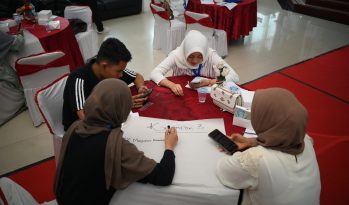
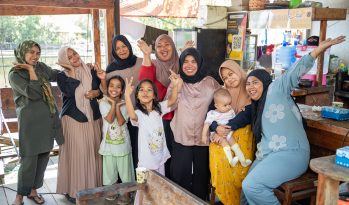
Before the program, Ulusalu had no formal disaster preparedness team, no structured evacuation procedures, and continued reliance on unsafe hillside farming practices that heightened environmental and safety risks. Through Destana, residents were equipped with essential disaster management skills, including evacuation planning, first aid training, and emergency response coordination. More than 100 households participated in three structured training sessions and evacuation simulations, culminating in the establishment of one formal village disaster preparedness team.
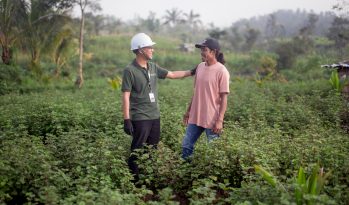
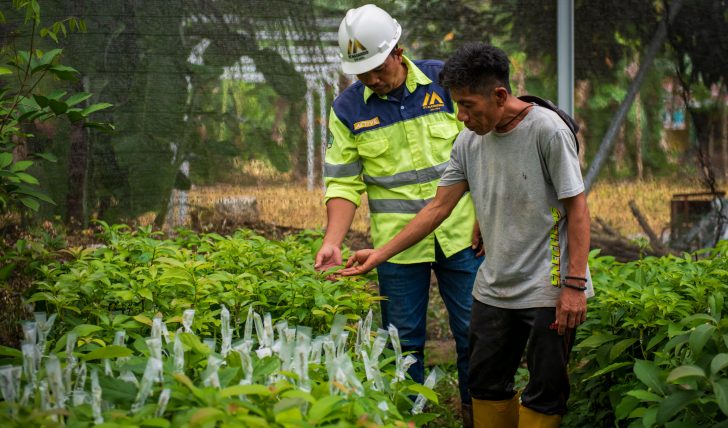
What differentiates Destana Ulusalu is its integrated approach. Beyond disaster readiness, the program promotes greenhouse-based farming as a safer and more sustainable livelihood alternative. By reducing cultivation on steep slopes, the initiative addresses root causes of landslide risk while enhancing household income stability. A greenhouse pilot was launched, with early indications of improved yields and reduced environmental pressure.
Monitoring and evaluation are conducted semesterly in coordination with UNCP, MDA’s Emergency Response Team (ERT), and village authorities to ensure continuous improvement. Designed for scalability, the Destana model is structured for replication across other villages in the Latimojong area, reinforcing long-term regional resilience.
Through Destana Ulusalu, MDA demonstrates that disaster risk reduction, livelihood security, and environmental stewardship can—and must—advance together. By shifting from external aid dependency toward community-led resilience, the program strengthens both safety and sustainability for the future.