From Patchouli to Prosperity – Strengthening Livelihoods within the Community in Purbalingga
Indonesia produces approximately 90% of the world’s patchouli oil supply, contributing up to USD 150 million in annual exports. Beyond its economic value, patchouli represents cultural heritage and a significant opportunity to uplift rural communities. Recognizing this potential, Indika Nature—through its Natura Aromatik Nusantara (Natura) initiative—launched a regenerative cultivation model in Karangjengkol Village, Purbalingga, designed to strengthen environmental sustainability, social inclusion, and transparent governance across the value chain.
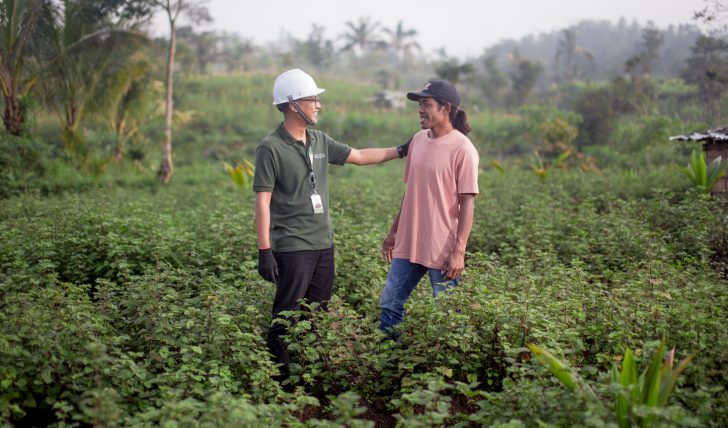
Launched in January 2025, the Sustainable Patchouli Cultivation Program transforms previously idle land into productive plantations while restoring Central Java’s legacy as a patchouli-producing region. Guided by the SMART framework, the program integrates cultivation, empowerment, and traceability into one cohesive ecosystem. It targets the development of 10 hectares of core plantations and 26.8 hectares managed by 70 partner farmers, with a production goal of 1,500 kilograms of patchouli oil by the end of 2025.
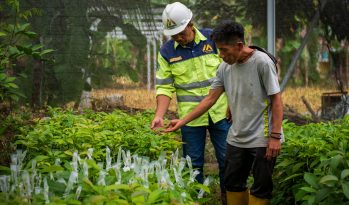
Beyond production targets, the initiative prioritizes structural improvements within the supply chain. Natura provides working capital, two on-site distillation units, technical training, and standardized operating procedures (SOPs), addressing long-standing challenges such as price volatility, land degradation, and dependence on middlemen. Guaranteed purchase agreements and fair pricing mechanisms provide stability, while a fully traceable supply chain ensures transparency and accountability from farm to finished product.
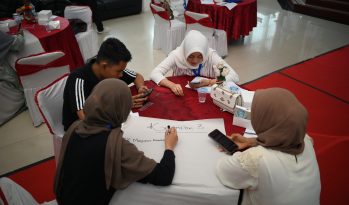
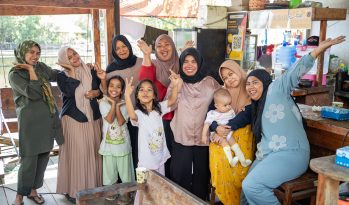
The program has delivered measurable social and economic impact. Farmer participation has grown from 15 to 70 individuals—a 367% increase—with women now actively engaged in cultivation and processing activities. Average farmer income has reached IDR 45.4 million per hectare annually, approximately 62% above the local minimum wage, enhancing household financial security and long-term confidence. Environmental performance is also embedded in the model: 100% of harvests are traceable, 50% of distillation waste is reused as fuel and compost through circular practices, and previously idle land has been revitalized for productive use.
What differentiates this initiative is its integrated and future-ready approach. Every harvest is traceable and documented, strengthening trust across the value chain. Beyond advisory support, Natura equips farmers with capital, technology, and technical expertise to ensure consistent, high-quality yields. The program actively promotes inclusivity by engaging women and youth, while safeguarding farmers through purchase contracts and direct buyer partnerships. At the same time, it secures a sustainable and reliable supply of high-quality patchouli oil for Natura’s production—creating shared value through higher margins, income stability, and resilient rural livelihoods.
Through this regenerative model, Natura demonstrates that sustainable agriculture can deliver measurable economic returns while restoring ecosystems and empowering communities—positioning patchouli cultivation as a future-ready livelihood and a model for sustainable rural development.